The Nigerian Communications Commission (NCC) disclosed the figure as the telecommunications regulator intensified calls for stronger coordination between telecom operators, road contractors and government agencies to protect critical digital infrastructure.
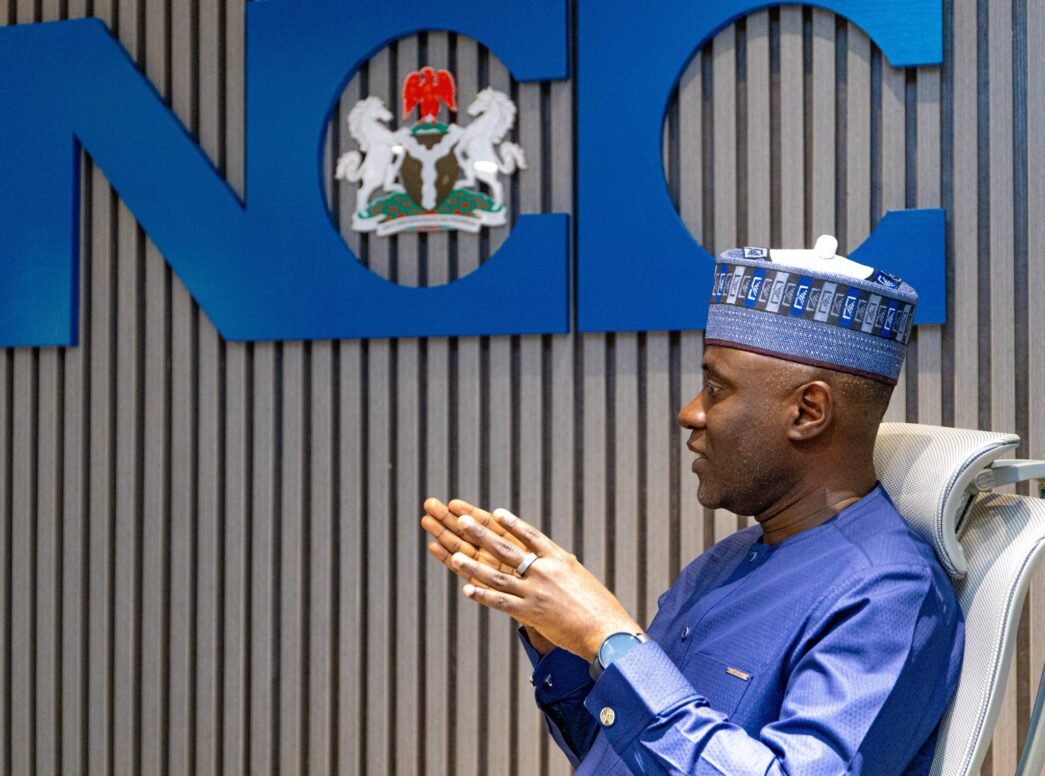
Speaking at a stakeholders’ workshop on the protection of telecommunications infrastructure during road construction and other civil works, Aminu Maida, Executive Vice-Chairman and Chief Executive Officer of the NCC, said the scale of the damage was becoming a serious threat to Nigeria’s digital economy.
“Over 5,000 fibre cut incidents were reported on road excavation, construction, and related civil work,” Maida said.
A Fibre Cut Is More Than a Telecom Problem
According to the NCC chief, the impact of fibre damage goes far beyond the immediate cost of repairing telecommunications networks.
He warned that a single damaged fibre route can disrupt banking transactions, government services, healthcare, education, commerce, security operations and other activities increasingly dependent on reliable digital connectivity.
“To a machine operator on a construction site, it may appear to be one buried cable. To the nation, it can mean failed calls, poor payments, interrupted services, and missed opportunities,” Maida said.
He stressed that the repeated incidents were largely preventable and often resulted from inadequate coordination and information sharing between road contractors and telecommunications operators before excavation begins.
The NCC chief called for a shift from simply repairing damaged infrastructure after incidents occur to establishing systems that prevent damage in the first place.
“Operators must share accurate route information and respond promptly. Contractors must check before excavation and plan for protection. Government agencies must support timely information exchange,” he said.
Critical National Infrastructure at Risk
The security implications of fibre cuts were also highlighted at the workshop.
Effiom Ewa, Director of Critical National Security and Infrastructure Protection at the Office of the National Security Adviser, said fibre-optic infrastructure has been designated as Critical National Information Infrastructure.
He warned that damage resulting from negligence or interference could constitute an offence under Nigeria’s legal framework.
“Every fibre-optic cable damage is more than a disruption to a network, or simply a cable cut,” Ewa said.
“It is indeed a disruption to governance, economic productivity, public services, and the daily lives of Nigerians.”
He called for greater compliance with established procedures by both telecommunications operators and contractors involved in construction and maintenance activities.
NCC Calls for Better Underground Mapping
The challenge is partly rooted in the fact that telecommunications infrastructure and road projects frequently occupy the same physical space.
Olarinre Adeladan, Permanent Secretary, Federal Ministry of Works, said better coordination between the road construction and telecommunications sectors was therefore essential.
He called for improved mapping of underground utilities and accurate information on the location of fibre-optic cables before excavation begins.
According to Adeladan, fibre cuts can trigger service disruptions, productivity losses, financial costs and significant inconvenience for Nigerians.
He stressed the importance of appropriate mapping and coordination with telecom operators before construction activities commence.
Fibre Damage Threatens Broadband Investment
The Federal Ministry of Communications, Innovation and Digital Economy also warned that the recurring damage was undermining investments in Nigeria’s broadband infrastructure.
Nadungu Gagare, Permanent Secretary of the Ministry, represented at the workshop by Stanley Musa, Director of Telecommunications and Postal Services, said repeated fibre cuts were increasing operating costs for telecom companies, weakening network resilience and disrupting services used by millions of Nigerians.
The ministry said the Federal Government has established a tripartite standing committee on the protection of fibre-optic infrastructure to improve coordination among government agencies, telecommunications operators and other stakeholders.
Nigeria’s Digital Economy Cannot Afford Repeated Fibre Cuts
The latest figures underscore a growing infrastructure challenge for Nigeria as the country expands its dependence on broadband connectivity and digital services.
From digital payments and e-government services to healthcare, education, business operations and security, an increasing share of Nigeria’s economic activity depends on the availability of reliable telecommunications infrastructure.
The NCC’s warning therefore points to a broader policy challenge: Nigeria cannot build a digital economy at scale while critical fibre infrastructure remains vulnerable to avoidable damage during physical construction projects.
For the regulator and other stakeholders, the priority is increasingly clear—map before digging, coordinate before construction, and protect the infrastructure that keeps Nigeria connected.